


Information
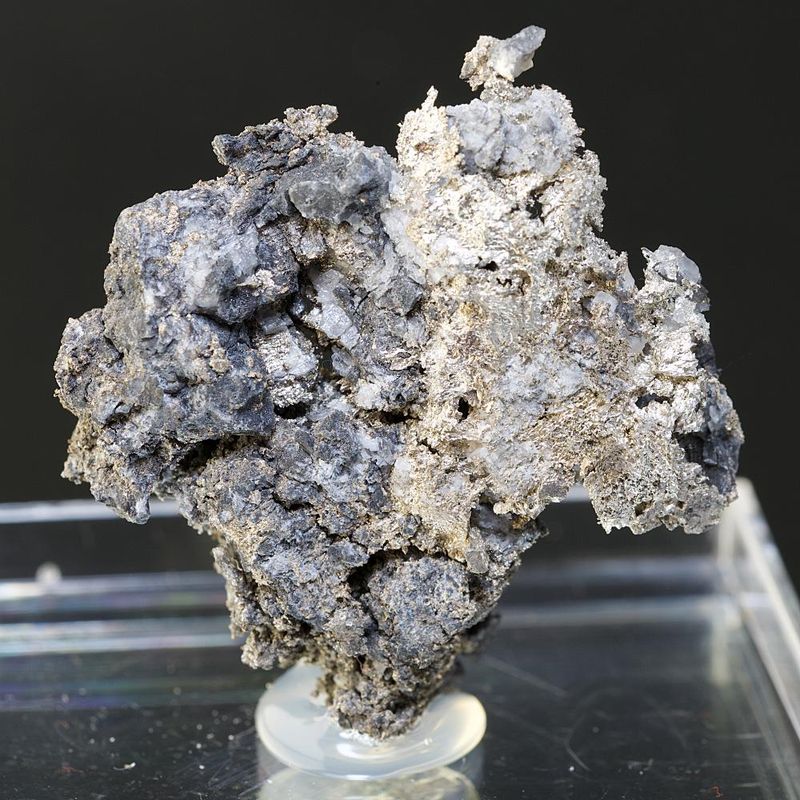
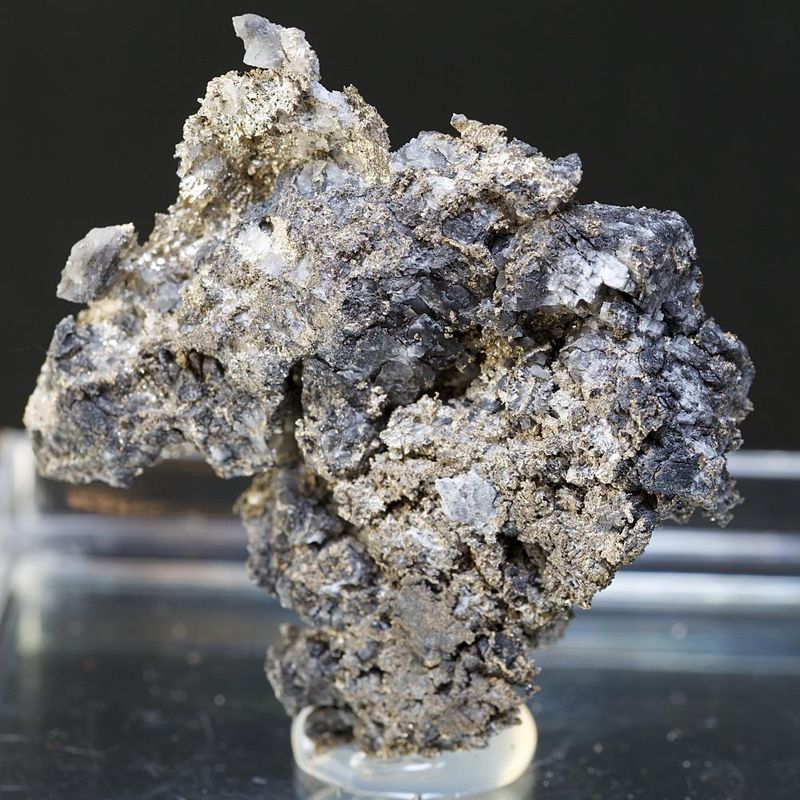
This native silver specimen displays a beautiful natural luster and the characteristic elegance associated with specimens from this world-famous Norwegian locality.
Kongsberg specimens are renowned for their distinctive silver wires, twisted forms, intricate growth patterns, and metallic luster.
A historic Norwegian mineral with exceptional character, highly appreciated by collectors of native silver and classic European mineral specimens.
Mineral: Native Silver
Locality: Kongsberg, Buskerud, Norway.
Size: 3,8 × 4 × 1,5 cm
Weigth: 25 gr
The History of Kongsberg Silver
According to local legend, the story of Kongsberg silver began in 1623, when two children tending cattle noticed something shining in the mountains. The rocks they brought home were recognized as silver, leading to the discovery of the deposit that became the famous Kongsberg Silver Works in Norway.
Founded in 1624 under King Christian IV, the Kongsberg Silver Mines became one of Norway’s most important historic mining districts. German mining specialists were brought in to develop the mines, introducing traditional hammering and firesetting techniques to work the exceptionally hard rock.
The Geology of Kongsberg Silver
The famous Kongsberg silver deposits occur in hydrothermal vein systems containing silver together with cobalt, nickel, arsenic, and bismuth. The mineralized veins formed during the permian vulcanism approximately 265 million years ago and host a remarkable variety of minerals, including quartz, calcite, pyrite, fluorite, galena, sphalerite, chalcopyrite, argentite, and native silver.
